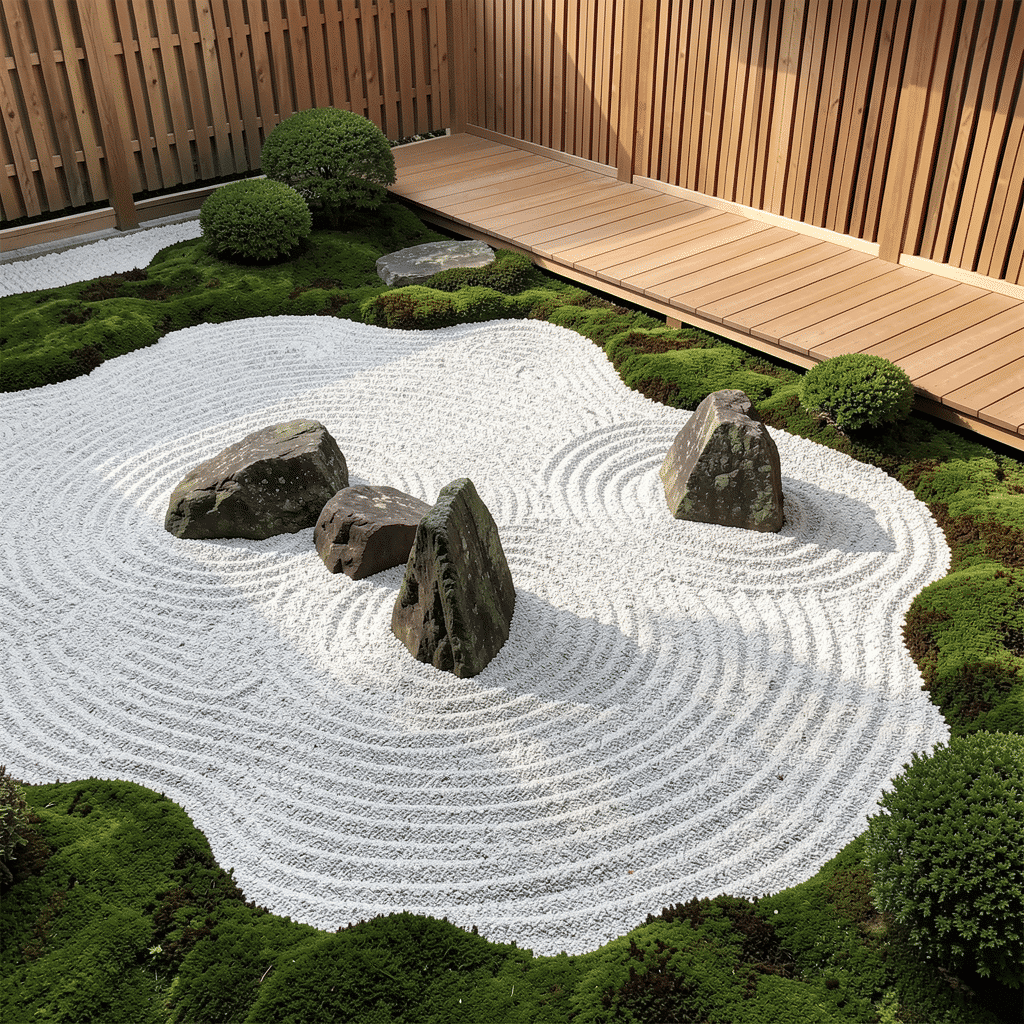
In a world where visual clutter and overwhelming choices dominate, the timeless principles of Japanese design stand as a beacon of tranquility. Rooted in centuries-old traditions, Japanese aesthetics emphasize balance, minimalism, and the harmonious integration of form and function. These principles not only shape the physical environment but also encapsulate a philosophy that values simplicity, purity, and the beauty found in nature’s imperfections.
At the heart of Japanese design is the concept of Ma, a Japanese term that translates to "negative space" or "gap." Ma is not simply the absence of elements but an integral part of the composition that brings balance and clarity to the mind and the environment. In this space, every element is purposefully placed, allowing individuals to breathe and move freely, undistracted by unnecessary adornments.
Another fundamental principle is Wabi-Sabi, which cherishes the beauty of imperfection and transience. This principle encourages designers to appreciate the humble and unpretentious, often finding beauty in the natural aging process of materials such as wood and stone. Perfection is not the goal; instead, it is the story of the material and the passage of time that imbues an object with elegance and depth. This perspective invites a more profound connection with objects and spaces, fostering an appreciation for authenticity over mass-produced perfection.
Simplicity is another cornerstone of Japanese design, manifested through the concept of Kanso. By eliminating the unnecessary, designers create spaces and objects that are both functional and serene. This minimalist approach strips away excessive details, allowing the inherent qualities of materials and forms to shine. The result is a clean, uncluttered aesthetic that is both visually and spiritually calming.
Incorporating elements of nature is another signature of Japanese design. The principle of Shizen emphasizes the use of natural materials and the seamless integration of indoor and outdoor spaces. This connection to nature is not only reflected in the choice of materials—such as bamboo, paper, and stone—but also in the layout and design of spaces that invite natural light and air to flow freely. This dialogue with nature instills a sense of peace and stillness, creating environments that feel nurturing and alive.
The use of Asymmetry is yet another element often seen in Japanese design. In contrast to the symmetry prized in Western aesthetics, asymmetry provides a dynamic balance that mirrors the imperfect yet harmonious nature of the world. This principle is evident in everything from the placement of rocks in a Zen garden to the arrangement of artworks within a room. By embracing asymmetry, designers invoke a sense of movement and interest, keeping spaces lively and engaging.
Lastly, the concept of Seijaku—tranquility—permeates all aspects of Japanese design. Whether it's a garden, a room, or a piece of pottery, the end goal is to create an atmosphere that promotes calmness and contemplation. Seijaku invites individuals to pause, reflect, and find peace amid the busyness of daily life. It’s a gentle reminder that, within serene simplicity, lies profound beauty and elegance.
Japanese design principles teach us that true harmony and elegance are achieved not through abundance but through thoughtful restraint and a deep respect for nature and craftsmanship. In embracing these aesthetics, one can create spaces and objects that not only please the eye but also nourish the soul, fostering a deeper appreciation for the world around us and the quiet grace it offers.