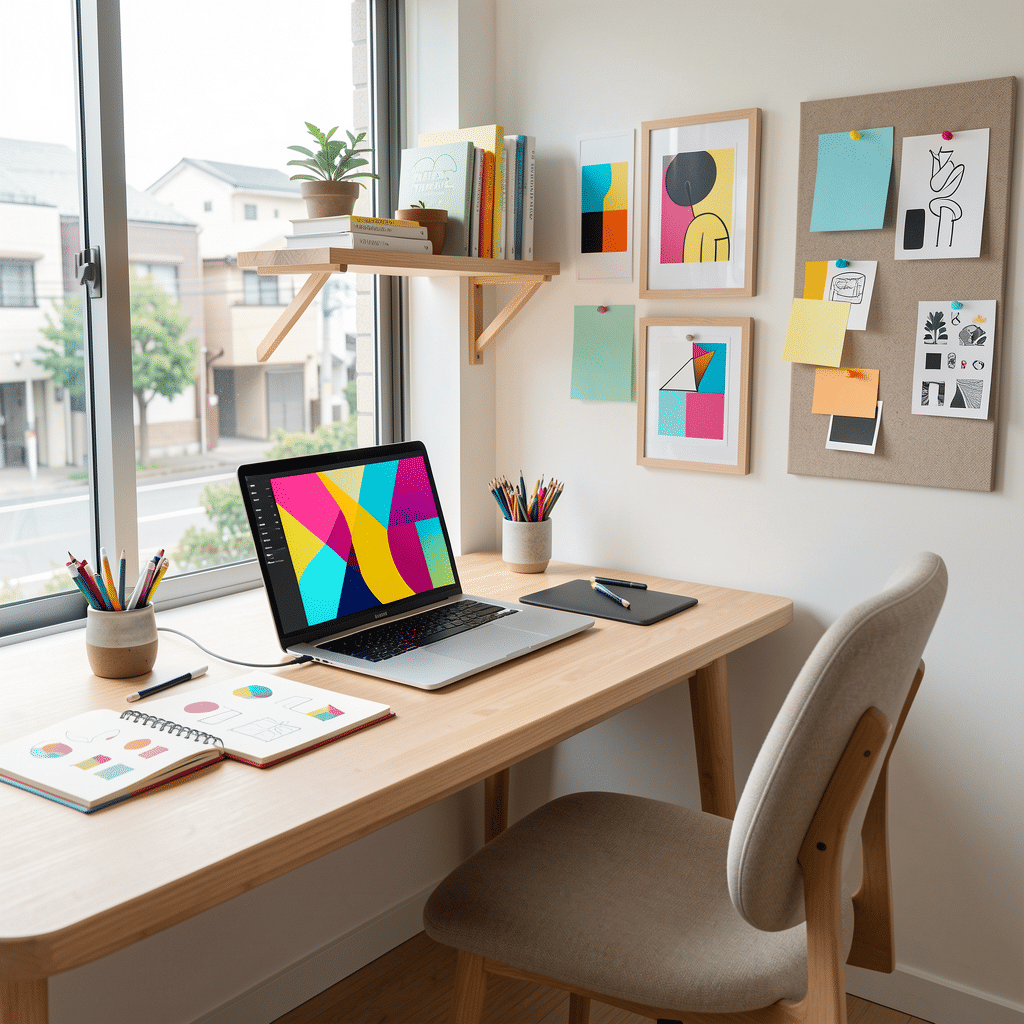
In today's visually-driven world, mastering the art of graphic design is an essential skill for both aspiring artists and seasoned designers. Whether you're just starting out in your creative journey or looking to refine your skills, enhancing your visual creativity can set the foundation for producing compelling and impactful designs. Here are some essential tips and techniques to help elevate your graphic design prowess and boost your visual creativity.
1. Embrace the Principles of Design
Understanding the foundational principles of design is critical. These include balance, contrast, emphasis, movement, proportion, and repetition. Mastering these principles allows you to create visually harmonious and effective designs. Start by evaluating your work against these principles to ensure a coherent visual flow.
2. Study and Analyze Existing Designs
One of the best ways to improve your design skills is to study the works of others. Analyze successful designs, identify what makes them appealing, and incorporate these elements into your own designs. Pay attention to the use of color, typography, and layout, and how they contribute to the overall message.
3. Develop a Strong Sense of Color
Color is a powerful tool in design, capable of evoking emotions and setting the tone of a piece. Experiment with different color combinations and understand the psychology behind colors. Familiarize yourself with color theory and practice creating color palettes that resonate with your intended message.
4. Master Typography
Typography is more than just choosing a font—it's about conveying messages effectively. Develop a keen sense of choosing typefaces that complement your design while enhancing readability. Practice pairing fonts and experimenting with different sizes and weights to create visual hierarchy and interest.
5. Harness the Power of Layout and Composition
Effective layout and composition are crucial for guiding the viewer's eye and maintaining interest. Use grids to structure your designs, ensuring elements are aligned and proportionate. Experiment with different compositions to find arrangements that are both aesthetic and functional.
6. Keep Up with Trends
The design world is continuously evolving, with trends influencing both style and technology. Stay informed about the latest design trends, tools, and software updates. Engaging with the design community on platforms like Behance or Dribbble can provide insight and inspiration.
7. Practice Brainstorming and Ideation
Cultivate a habit of brainstorming and ideation to spur your creativity. Sketch out ideas and concepts without judgment. This iterative process of exploring multiple concepts can lead to unique and innovative solutions to design challenges.
8. Experiment and Take Risks
Don't be afraid to break the rules and experiment with new techniques and styles. Taking risks can lead to unexpected creative breakthroughs and set your work apart from the mainstream. Allow yourself to make mistakes and learn from them—they are an invaluable part of the creative process.
9. Seek Feedback and Collaborate
Constructive feedback from peers or mentors is invaluable for your growth as a designer. Engage in critique sessions, and be open to receiving and applying feedback. Collaborations can also inspire creative ideas and provide different perspectives on your design approach.
10. Build a Versatile Portfolio
Your portfolio is a reflection of your skills and creativity. Include a variety of work that showcases your versatility and style as a designer. Regularly update your portfolio with new projects, ensuring it represents your best work.
By focusing on these areas, you'll not only enhance your graphic design skills but also cultivate a unique creative voice in the industry. With practice, curiosity, and a commitment to continuous learning, you will be able to push the boundaries of visual creativity and make a lasting impact through your designs.